Scenario
A medical device manufacturer is completing Verification and Validation activities for a Class II product and needs an objective view of Design History File completeness, along with a faster path from unresolved traceability matrix gaps to a submission-ready 510(k).
Objective
Use Tyto Assembly workflow to assess device readiness, identify DHF deficiencies, guide remediation, and dramatically reduce the manual effort required to prepare a complete 510(k) submission.
How it works
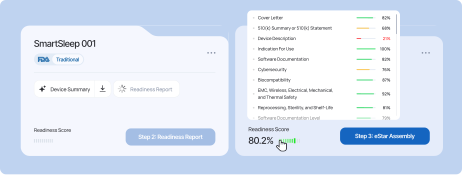
Tyto analyzes the DHF using a data-centric approach — reviewing the actual content across documents, not just the presence of files. It builds a structured picture of the device, including intended use, classification, predicate alignment, testing coverage, and evidence traceability. The system detects inconsistencies, asks targeted clarifying questions where needed, and generates a prioritized readiness report with remediation guidance.
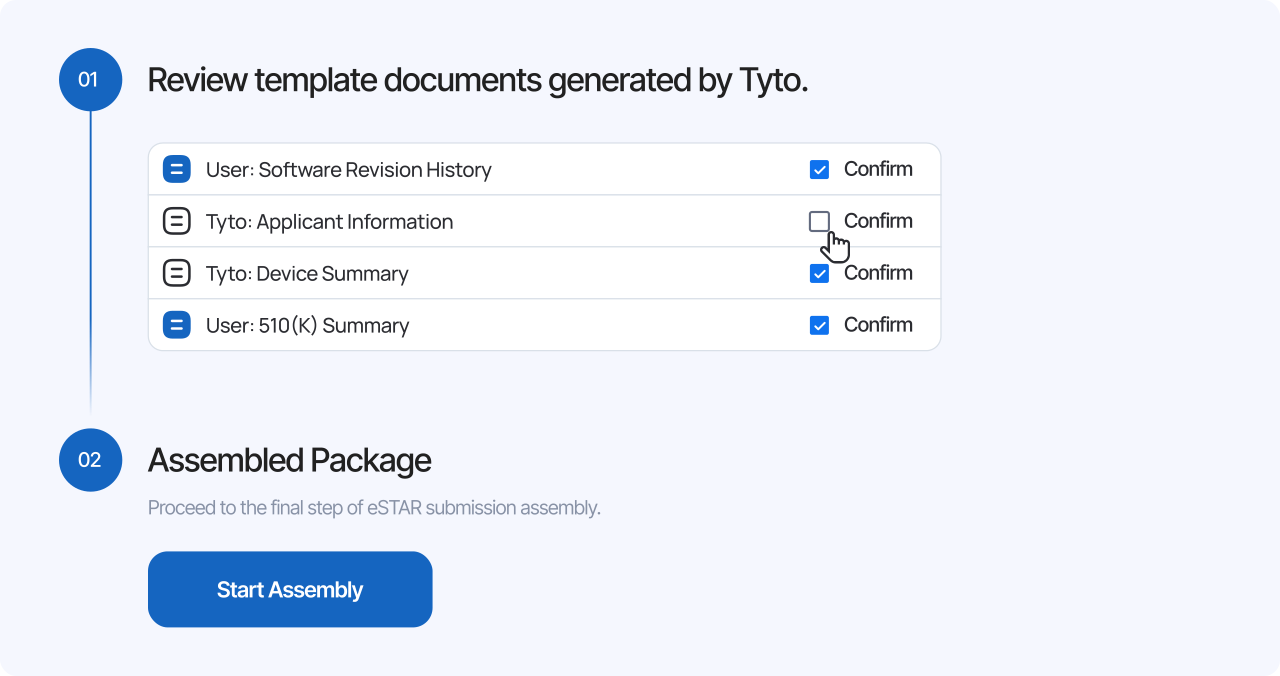
Once gaps are addressed, Tyto uses the same structured evidence model to assemble the submission package. Because the workflow is built around extracted data, claims, and traceability, teams eliminate much of the time-consuming manual assembly work.
Output
Your team receives a readiness report with section-level findings, citations, and recommended fixes, followed by a structured path to a submission-ready 510(k) or Technical File package.
Business impact
Tyto helps teams reduce rework, improve product quality, and minimize avoidable RTA risk. Most importantly, it can cut submission assembly effort from roughly 300–400 hours to 40–50 hours, freeing regulatory and engineering teams from weeks of manual compilation and accelerating time to filing by a month or more.
Best for
Medical device teams preparing a Class II submission and looking to move from fragmented DHF documentation to a faster, more reliable submission workflow.